
Spoofing Scams Are No Laughing Matter
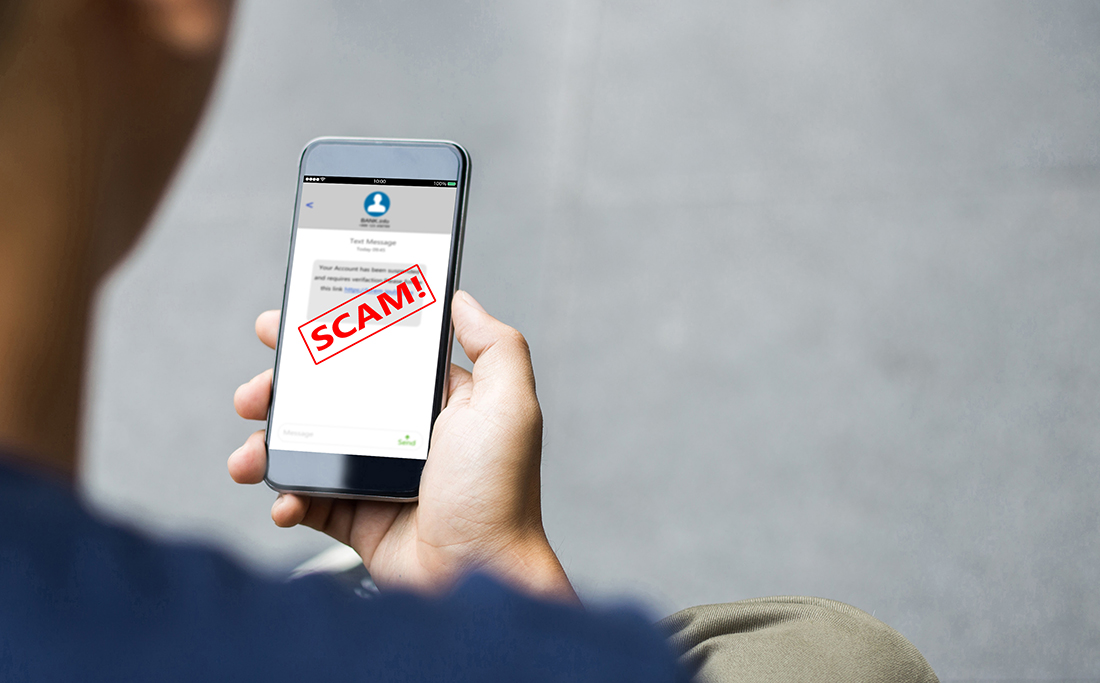
In a spoofing scam, criminals pose as a familiar organization or someone in your neighborhood to steal your money or personal information. This article shows you common spoofing scams, what to watch out for, and ways to stay protected.
The scam has a funny name, but the results can be serious. Criminals involved in online or phone spoofing try to gain your trust by making you believe they are from a legitimate source. Don’t fall for it! Here’s what you need to watch out for and ways to stay protected.
Email and Website Spoofing
Popular with scammers, email and website spoofing are part of many phishing schemes in which criminals try to earn your trust by pretending to be a business or organization you know. You may receive an email with a logo and other details you recognize. But practice caution and look closely at the communication. Telltale signs of email spoofing include impersonal language, a slight variation in the sender’s website address, and typos.
Your Social Security number is especially valuable to an identity thief, and they will try all sorts of schemes to trick you into revealing it.
Caller ID Spoofing
Another scam is caller ID spoofing. Chances are, you’ve already been targeted by this scheme. Using easily available technology, criminals can show ANY name or phone number they want on YOUR caller ID, so you will be more likely to answer.
We’ve even seen this tactic affect our customers in recent months, with fraudsters calling and claiming to be from Isabella Bank. To stay safe, remember this rule of thumb: never share sensitive information unless you initiated the call. It is highly unusual for a bank to ask for account information, passwords, or PINs over the phone, and a legitimate bank will never ask for a one-time security code. If a call seems suspicious and you have questions, hang up immediately and call the number on the back of your Isabella Bank card. For more warning signs of call spoofing, visit the American Bankers Association’s Banks Never Ask That website.
Criminals may also pose as a government agency like the Department of Veterans Affairs, a charity such as the American Red Cross, or other companies you do business with. Another common caller ID spoofing tactic criminals use is posing as a representative from the Social Security Administration. The imposter calls you and says there’s been a computer problem, and they need to confirm your Social Security number.
Be on the lookout for robocalls, suspicious business offers, requests for personal information, or anyone pressuring you to give out information or make a payment.
How to Protect Yourself
To avoid falling for a spoofing scam, you can do the following:
- Be wary of email requests for personal or financial information – even if they appear to be from a business you know.
- Don’t reply, download attachments, click links, or log in to a linked website, which could be a dummy site designed to capture your online account information. A good rule-of-thumb is to be especially cautious with unexpected emails or texts that ask you to verify account activity, reset a password, confirm personal information, or take immediate action. If a message seems suspicious, do not use the contact information it provides. Instead, use contact information you already have on file or find the organization’s official website on your own. Other warning signs include misspelled words, unusual grammar, and urgent language meant to pressure you into acting quickly. You can also use free tools like virustotal.com to check whether a link may be malicious.
- Don’t automatically trust your caller ID. Verify phone and email requests by contacting the organization via their website or publicly listed phone number.
- Delete suspicious emails right away.
- Don’t be afraid to hang up the phone.
- Don’t comply with requests for personal or payment information unless you initiated the conversation.
Remember: Legitimate businesses like Isabella Bank will NEVER reach out to ask for your account information or pressure you to act immediately.
What to Do If You've Been the Victim of a Scam
Here are some steps to take if you’ve been scammed:
- Contact us right away if your accounts were compromised.
- Change your online account logins. Use two-factor authentication to secure your accounts.
- Within two to six weeks, check your credit report at AnnualCreditReport.com for signs of identity theft – like unfamiliar loan applications – and contact credit reporting agencies if you spot fraudulent activity. The three major credit reporting agencies are TransUnion, Equifax, and Experian. They can help you take steps to protect your information.
- Report the scam to the U.S. Office of the Inspector General at OIG.SSA.gov/report.
Be alert for spoofing scams and know the tricks that criminals use, so you can see through their disguise. Visit the fraud & security page on our website to learn more about protecting your personal and account information.